Russia's automotive market is undergoing one of its most significant shifts in years. A series of attacks on oil refineries, tightening domestic fuel supplies, and rising gasoline prices have forced many Russian consumers to rethink the true cost of owning a gasoline vehicle. At the same time, Chinese new energy vehicles (NEVs)—especially plug-in hybrids (PHEVs) and extended-range electric vehicles (EREVs)—have rapidly gained popularity. This trend is no longer driven solely by affordability. Instead, it reflects a broader change in consumer priorities: lower running costs, advanced technology, and greater long-term value. For dealers and importers, the question is no longer whether Chinese EVs can compete in Russia. The real question is how quickly demand will continue to grow.
For decades, inexpensive fuel was considered one of Russia's biggest advantages for car ownership.
That assumption is now being challenged.
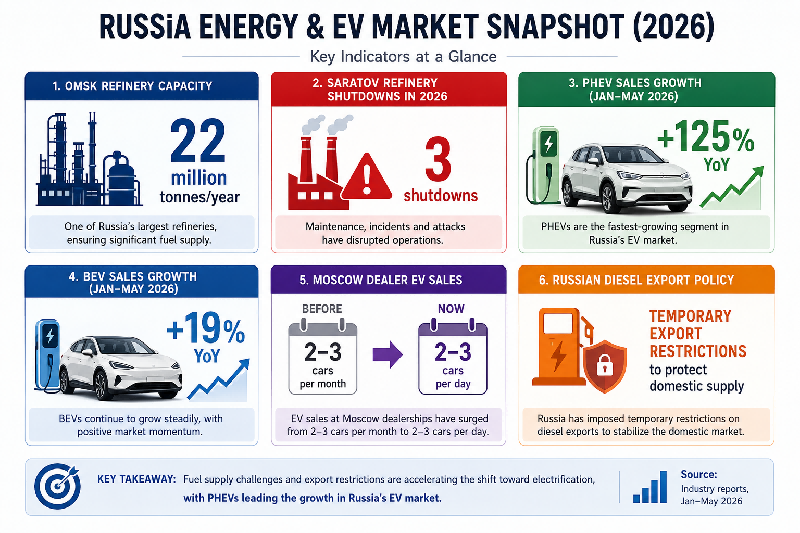
In early July 2026, Ukraine launched long-range drone strikes against several key Russian refining facilities. Russia's Omsk Refinery—the country's largest refinery, capable of processing approximately 22 million tonnes of crude oil annually—temporarily halted production after key refining units were damaged. Only days later, the Saratov Refinery suspended operations again following another drone attack, marking its third shutdown this year.
The consequences quickly spread beyond the energy sector.
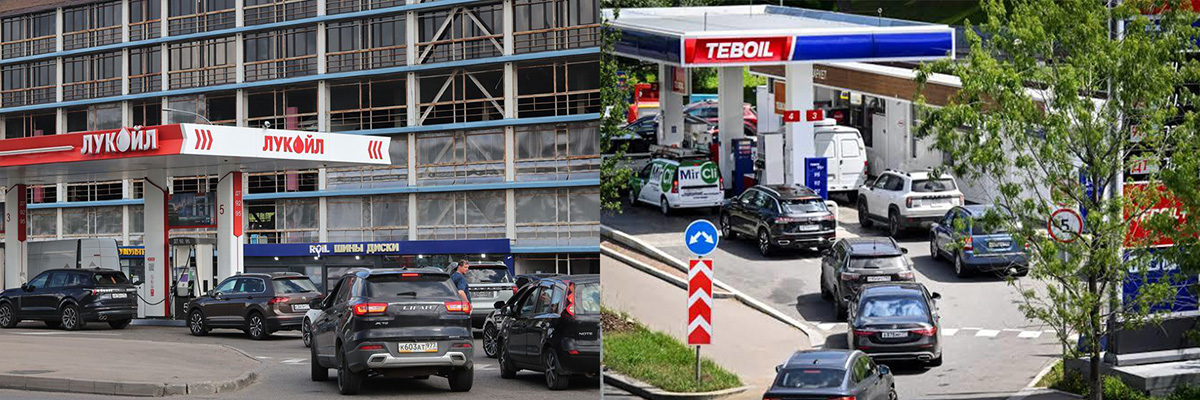
Reports from multiple regions described:
Long queues at petrol stations
Temporary fuel rationing
Rising gasoline prices
Restrictions on diesel exports to stabilize domestic supply
For many Russian drivers, fuel prices suddenly became headline news rather than a routine expense.
Just a year ago, most buyers compared vehicles based on horsepower, design, or brand reputation.
Today, many are asking a different question:
That change in consumer thinking may be the biggest transformation in Russia's automotive market since 2022.
As fuel becomes more expensive and less predictable, total ownership cost has become more important than purchase price alone.
Recent dealership data suggests this change is accelerating.
According to Reuters, Russian dealerships have reported a sharp increase in demand for Chinese new energy vehicles.
During the first five months of 2026:
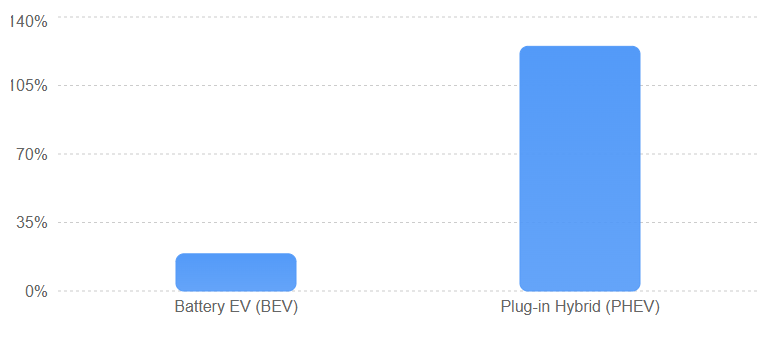
Plug-in hybrid (PHEV) sales increased by approximately 125% year over year.
Battery electric vehicle (BEV) sales rose by around 19%.
Some Moscow dealers said EV sales had grown from 2–3 vehicles per month to 2–3 vehicles per day.
This is no longer a niche market.
It is becoming part of the mainstream purchasing decision.
One surprising trend is that plug-in hybrids and extended-range vehicles are growing even faster than pure electric cars.
The reason is practical.
Russia's geography presents unique challenges:
Long travel distances
Cold winters
Uneven charging infrastructure
Frequent intercity driving
For many families, hybrid technology offers the best balance between fuel savings and driving flexibility.
Models such as:
BYD Song Plus DM-i
Li Auto L7
Li Auto L9
allow drivers to reduce fuel consumption without worrying about charging availability.
Some analysts argue that demand for Chinese vehicles is only increasing because of current geopolitical circumstances.
We believe the reality is more complex.
The fuel crisis may have accelerated consumer interest.
But it cannot explain why buyers continue returning to Chinese brands.
Today's Chinese vehicles offer:
Better battery technology
More intelligent software
Richer equipment levels
Lower operating costs
Competitive pricing
If the products themselves were not competitive, rising fuel prices alone would not sustain demand.
Every energy crisis changes consumer behavior.
Sometimes those changes disappear.
Sometimes they permanently reshape an industry.
Russia's current fuel challenges may prove to be one of those moments.
Five years ago, many Russian buyers chose Chinese cars because they were affordable.
Today, an increasing number are choosing them because they make better economic sense over the life of the vehicle.
That is a much stronger foundation for long-term market growth.
PHEV vs BEV Sales Growth (Jan–May 2026) Year-over-year sales growth in the Russian EV market.
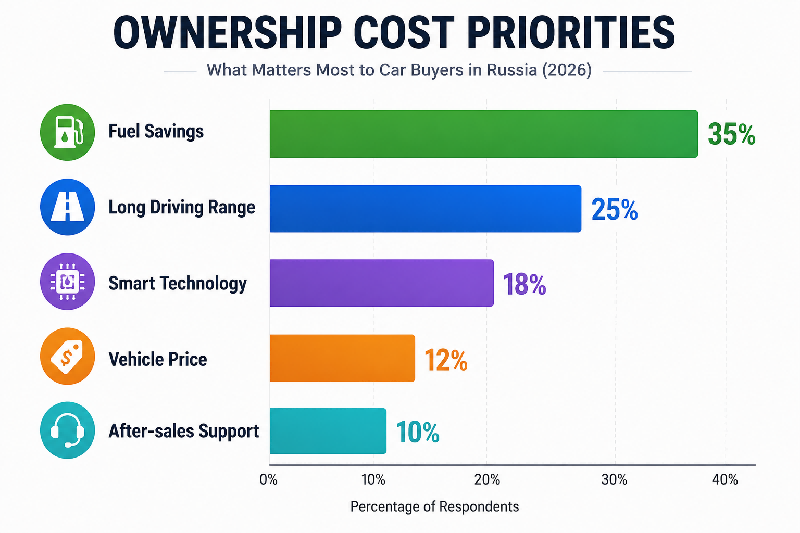
Russia's fuel market is under pressure, but the impact extends far beyond energy.
It is changing the way consumers evaluate vehicles.
Chinese new energy vehicles are no longer viewed simply as affordable alternatives. They are increasingly becoming practical solutions for drivers facing higher fuel costs, uncertain supply, and growing interest in intelligent mobility.
For international dealers and importers, this is more than a short-term news story—it is a signal that Russia's automotive market is entering a new phase, one in which Chinese hybrid and electric vehicles are likely to play an increasingly important role.
Contact: Miko Ren
Phone: +86 137 2167 6267
Tel: +86 137 2167 6267
Email: miko@yhautolink.com
Add: